

In today’s fast-paced digital world, businesses must leverage technology to stay competitive and grow. One of the most powerful tools available is Artificial Intelligence (AI) automation. By integrating AI automation into your business operations, you can streamline processes, improve customer experiences, and ultimately boost your bottom line. This article explores how to use AI automation to grow your business effectively.
What is AI Automation?
AI automation refers to the use of artificial intelligence technologies to perform tasks that typically require human intervention. These tasks include data analysis, customer support, marketing, and sales processes. AI-powered tools can learn from data, make decisions, and execute repetitive tasks with high accuracy and speed, freeing up human resources for more strategic roles.
Why AI Automation is Essential for Business Growth
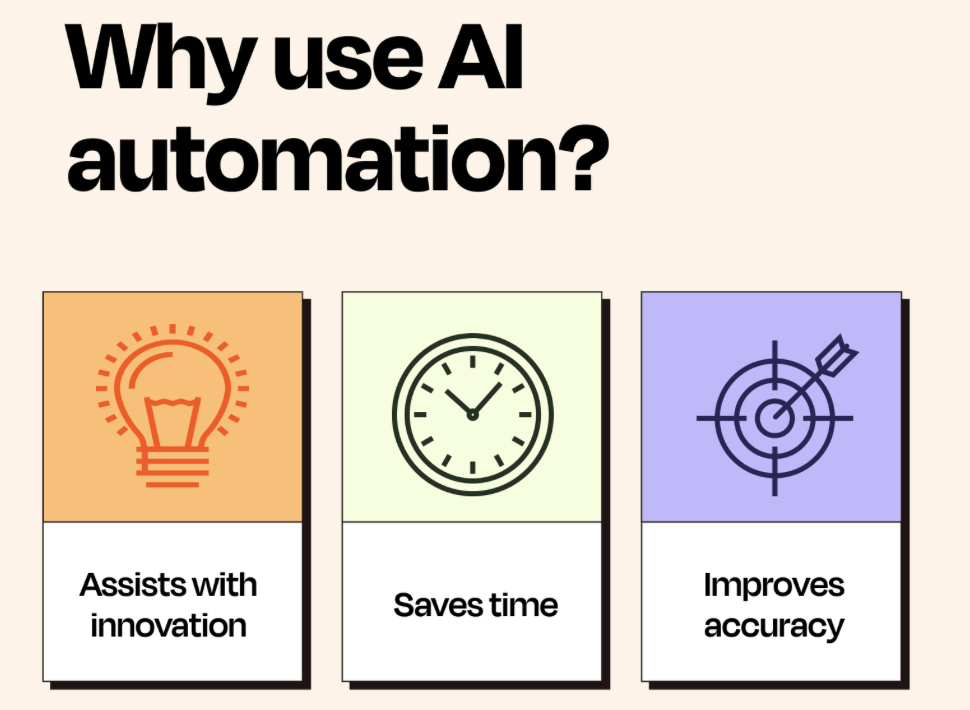
Businesses today face increasing demands for efficiency, personalization, and rapid decision-making. AI automation addresses these challenges by:
- Enhancing Productivity: Automating routine tasks reduces manual work and human error.
- Improving Customer Experience: AI chatbots and recommendation engines provide personalized interactions.
- Data-Driven Decisions: AI analyzes vast amounts of data to uncover insights that guide strategy.
- Cost Reduction: Automation lowers operational costs by minimizing labor-intensive tasks.
- Scalability: AI systems can handle increasing workloads without proportional increases in cost or effort.
Key Areas to Implement AI Automation in Your Business
1. Customer Service Automation
One of the most common applications of AI automation is in customer service. AI-powered chatbots can interact with customers 24/7, answering common queries, resolving issues, and guiding users through your products or services. This not only enhances customer satisfaction but also reduces the workload on your support team.
2. Marketing Automation
AI tools help you target the right audience with personalized content and ads. By analyzing customer behavior, AI can segment your audience and optimize campaigns in real-time. Marketing automation platforms use AI to schedule emails, manage social media posts, and track campaign performance, driving higher engagement and conversion rates.
3. Sales Process Automation
AI can streamline sales by automating lead generation, qualification, and follow-ups. Sales automation tools use predictive analytics to identify high-potential prospects and suggest the best communication strategies. This accelerates the sales cycle and increases revenue.
4. Inventory and Supply Chain Management
AI automation improves inventory forecasting, demand planning, and supply chain logistics. Machine learning algorithms predict stock requirements, reducing overstock and stockouts. Automated systems can also coordinate supplier communications and optimize delivery routes.
5. Financial Management
AI-powered accounting software automates invoicing, expense tracking, and financial reporting. These systems detect anomalies and help with budgeting and forecasting, providing real-time financial insights that support better business decisions.
Steps to Successfully Implement AI Automation in Your Business
Step 1: Identify Business Processes to Automate
Start by analyzing your current workflows to pinpoint repetitive, time-consuming tasks that can benefit from automation. Look for areas with high error rates or bottlenecks.
Step 2: Choose the Right AI Tools
Select AI solutions that align with your business needs and scale. Consider factors such as ease of integration, customization options, and vendor support. Popular AI automation tools include chatbots (e.g., Drift, Intercom), marketing platforms (e.g., HubSpot, Marketo), and sales automation software (e.g., Salesforce Einstein).
Step 3: Train Your Team
Ensure your employees understand how AI tools work and how they complement human roles. Training reduces resistance to change and maximizes tool adoption.
Step 4: Integrate AI with Existing Systems
Seamless integration with your existing CRM, ERP, and other business systems is crucial for data consistency and workflow efficiency.
Step 5: Monitor and Optimize
Continuously track the performance of AI automation tools. Use analytics to identify areas for improvement and update AI models as needed to adapt to changing business environments.
Benefits of Using AI Automation to Grow Your Business
- Increased Efficiency: Automating repetitive tasks speeds up operations.
- Better Customer Insights: AI analyzes customer data to tailor experiences.
- Enhanced Decision Making: Data-driven insights improve strategic planning.
- Improved Employee Satisfaction: Employees focus on higher-value work.
- Competitive Advantage: Early adoption of AI can differentiate your business.
Challenges and How to Overcome Them
While AI automation offers numerous benefits, challenges include upfront costs, data privacy concerns, and the need for technical expertise. To overcome these:
- Start small with pilot projects.
- Ensure compliance with data protection regulations.
- Invest in employee training and seek expert partnerships.
The Future of AI Automation in Business
AI automation continues to evolve with advancements in machine learning, natural language processing, and robotics. Businesses that embrace these technologies will experience unprecedented growth opportunities. Future trends include hyper-personalized marketing, AI-driven innovation, and fully automated end-to-end business processes.
Conclusion
Integrating AI automation into your business is no longer optional but essential for sustained growth. By automating routine tasks, enhancing customer experiences, and making data-driven decisions, AI empowers your business to operate more efficiently and competitively. Start exploring AI automation tools today and watch your business thrive in the digital age.
Keywords: AI automation, business growth, AI tools, customer service automation, marketing automation, sales automation, inventory management, financial automation, AI in business, artificial intelligence for business
Tags: #AIAutomation #BusinessGrowth #ArtificialIntelligence #MarketingAutomation #CustomerService #SalesAutomation #DigitalTransformation #AIinBusiness #AutomationTools #BusinessEfficiency
